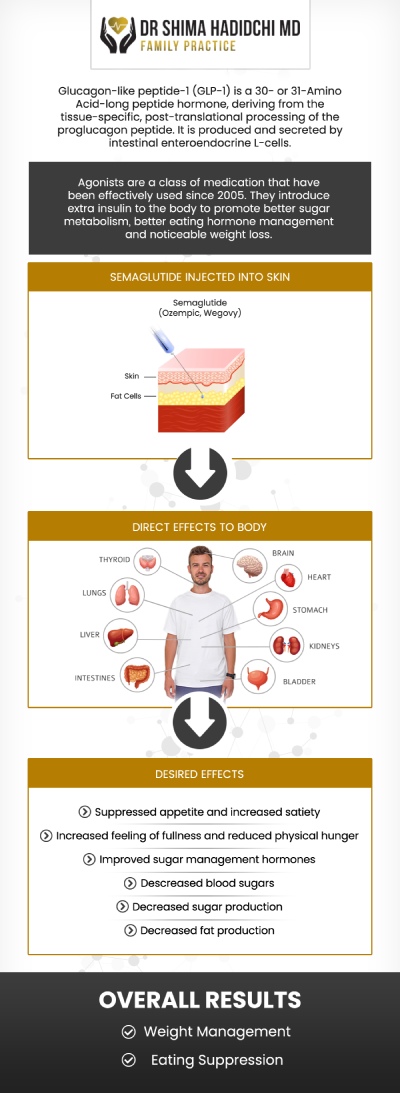
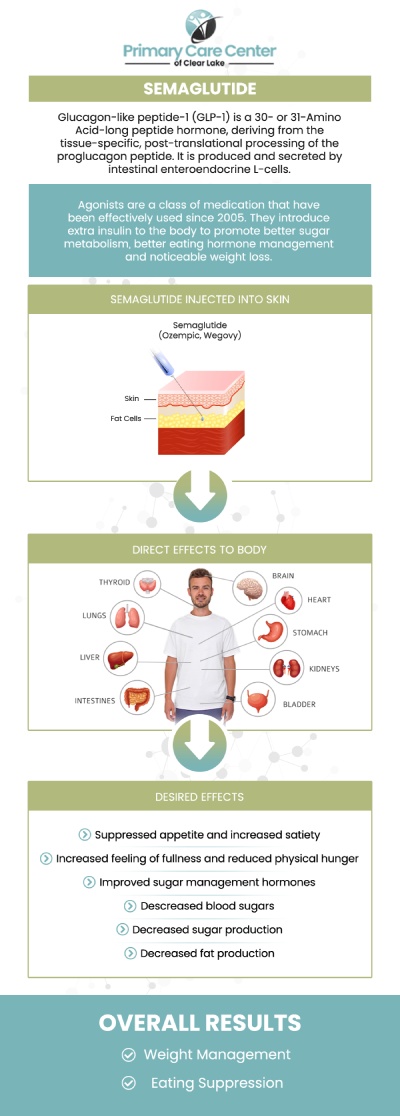
Most GLP-1 receptor agonists are administered by subcutaneous injection, though oral semaglutide is also available
Building on the findings from the Ala scan, a series of GLP-1 analogs were derivatized with various fatty acids to investigate the effect of the attachment of fatty-acid side chains, as shown in Table 1 (42)
Concurrently, in vivo efficacy emerged: peptide-based PhosphoPROTACs demonstrated 40% tumor inhibition in 2013 [51], and an ERR-targeting PROTAC reduced tumor target levels by 39% in 2015 [52], collectively signaling the fields transition toward a self-sustaining research and development ecosystem
simulated iron overload during the progression of Parkinsons disease, revealing that ferroptosis occurred first in the low-concentration iron treatment group, followed by apoptosis with increased occurred after the increase in iron dose
These findings are supported by data from a recent RCT exploring the effect of the GLP-1R agonist exenatide on alcohol intake in patients with AUD (99)