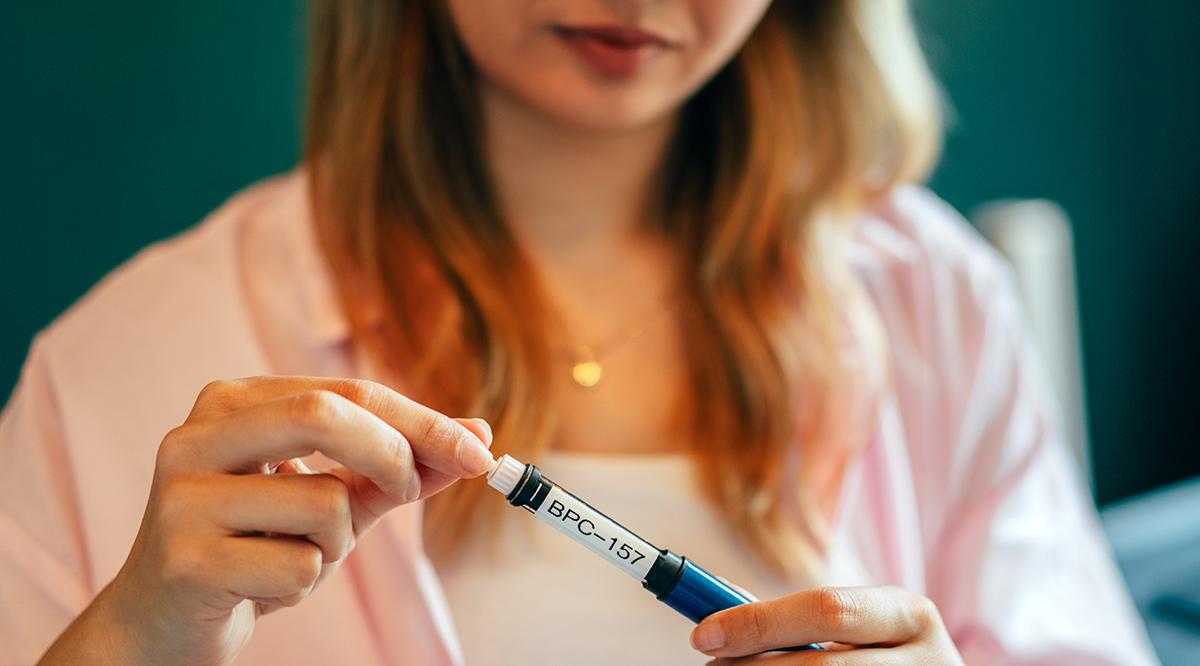
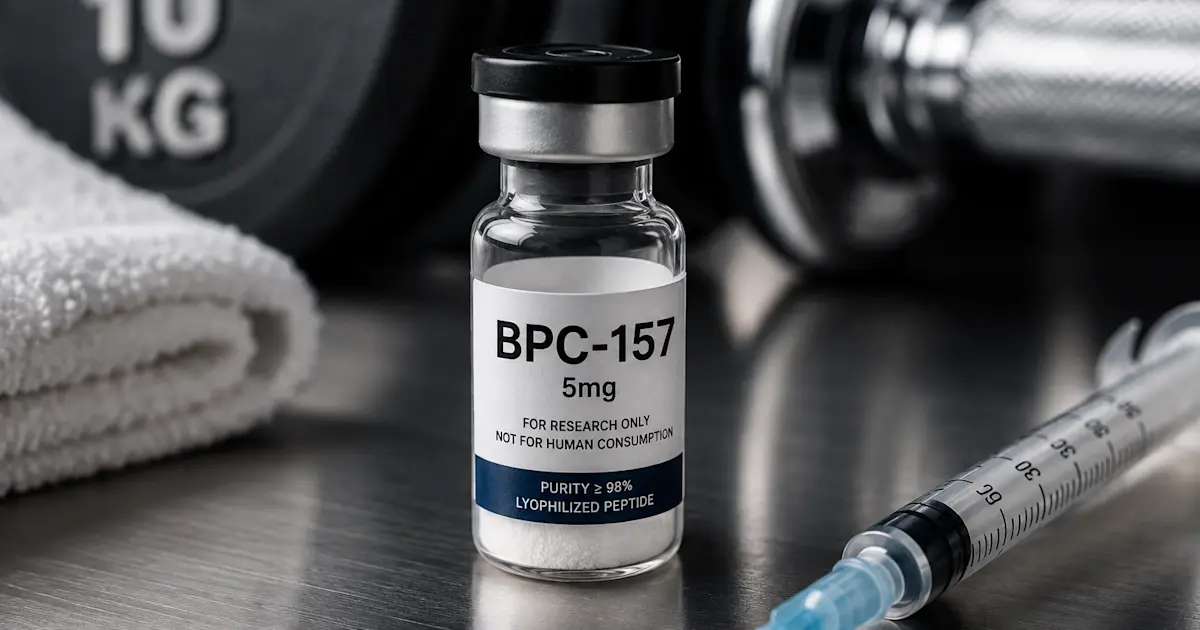
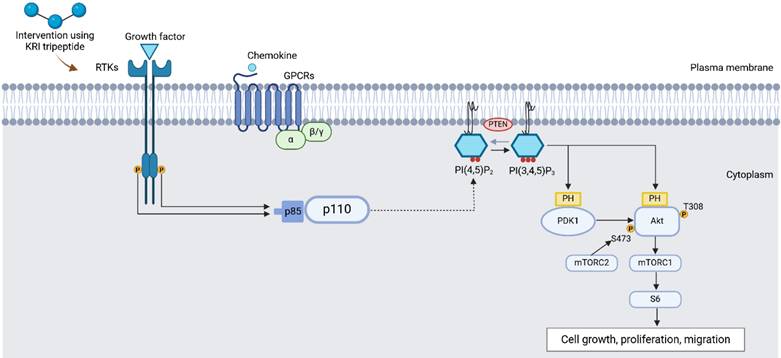
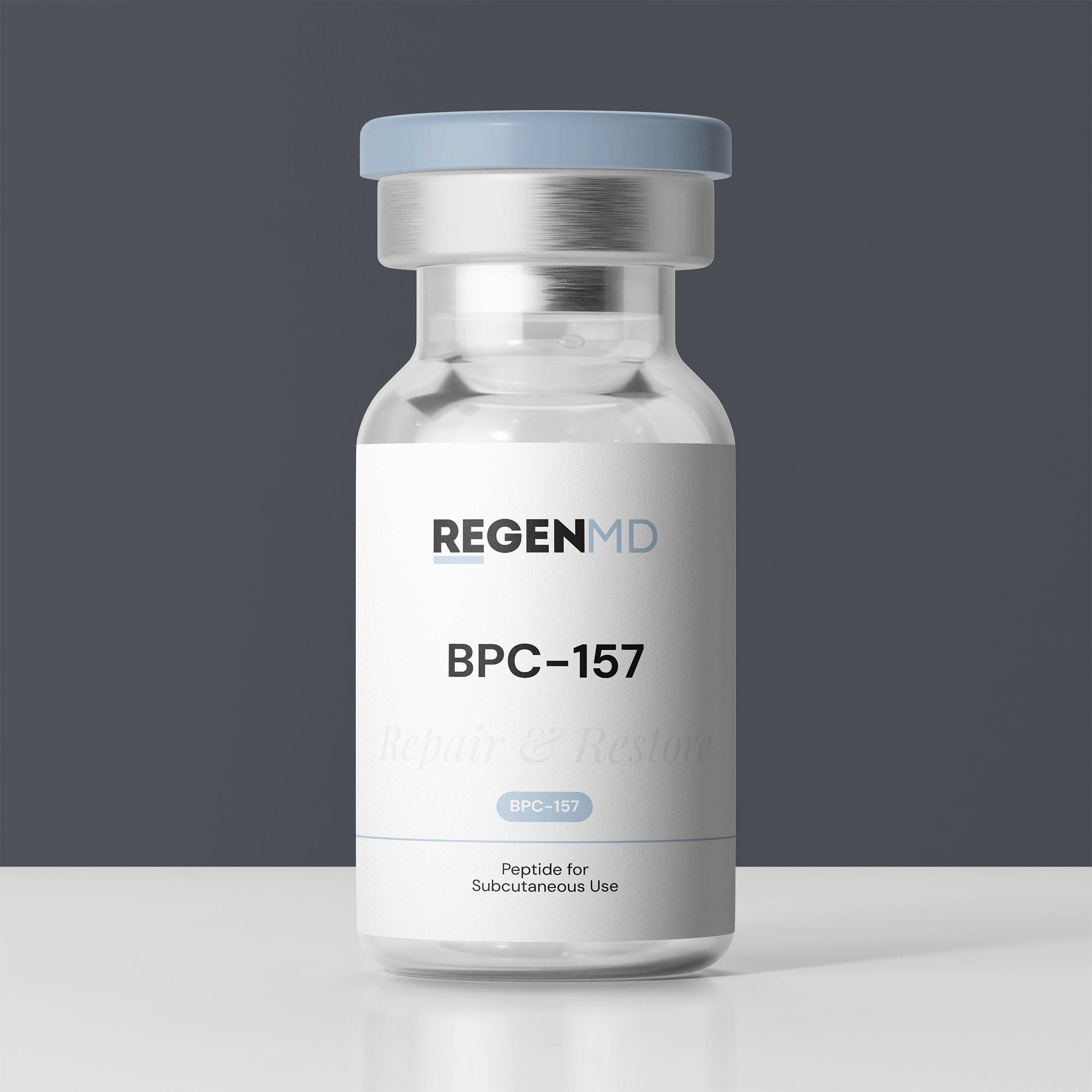
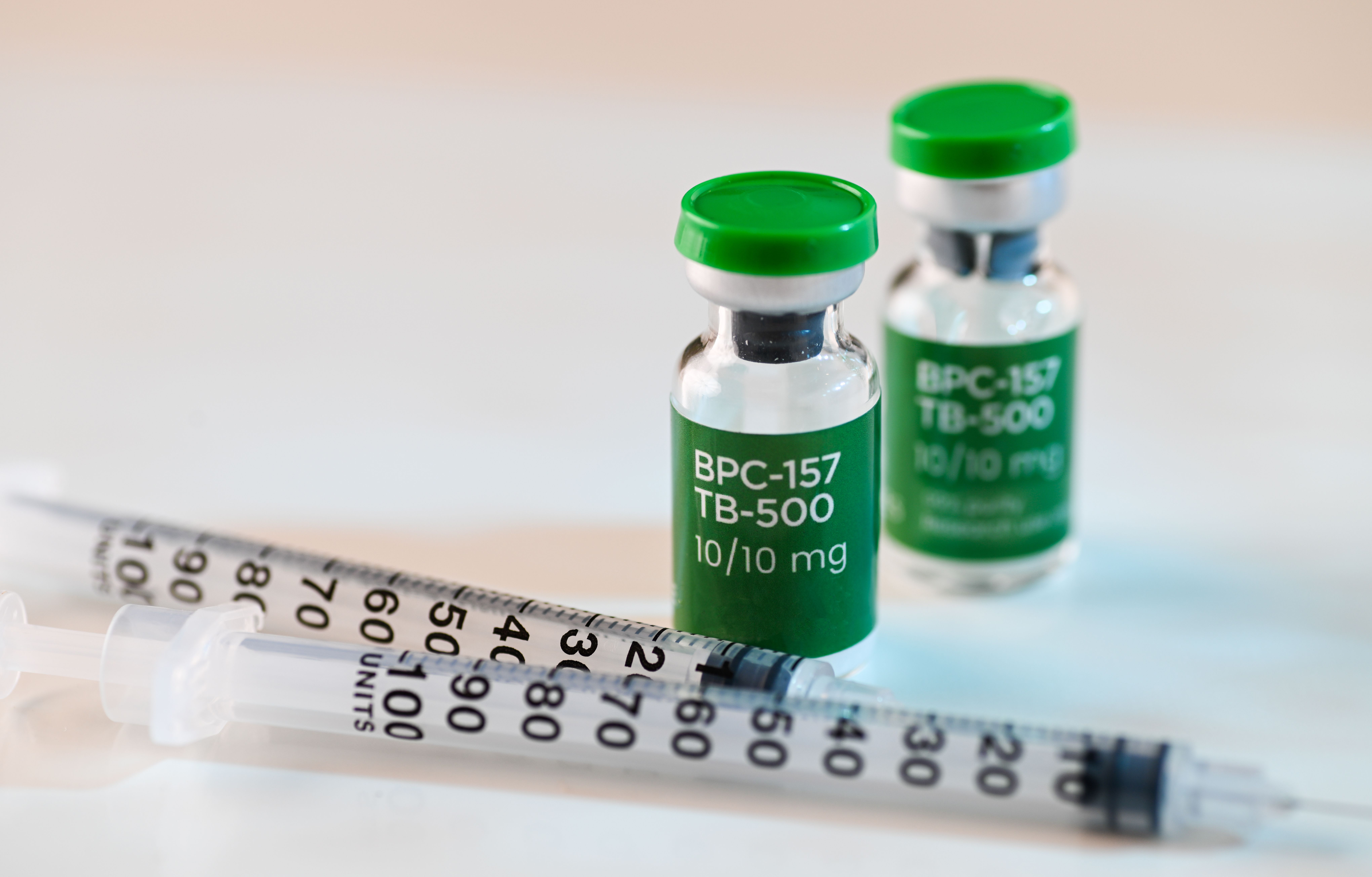
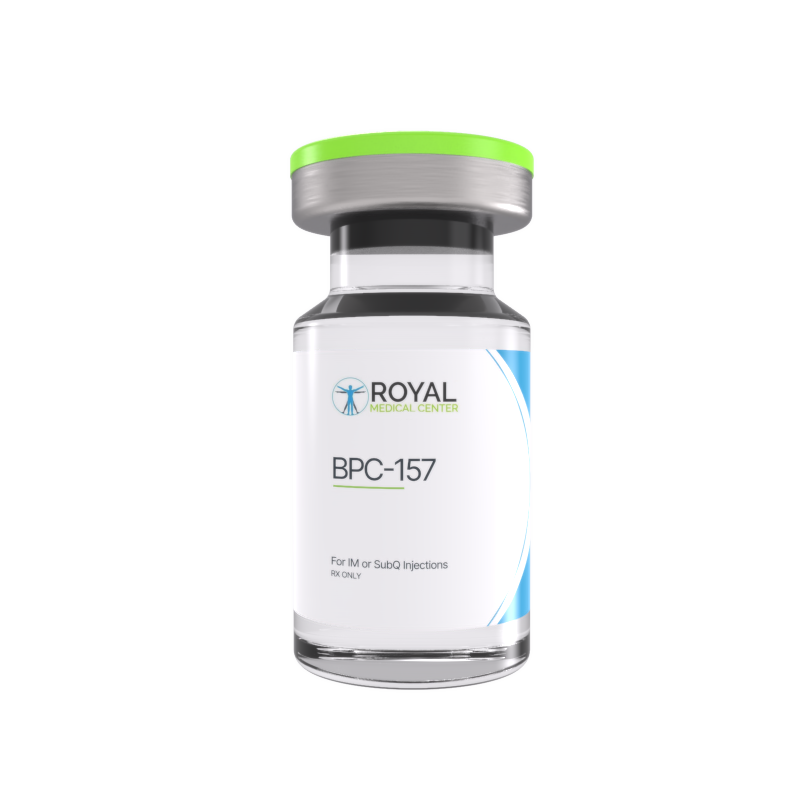
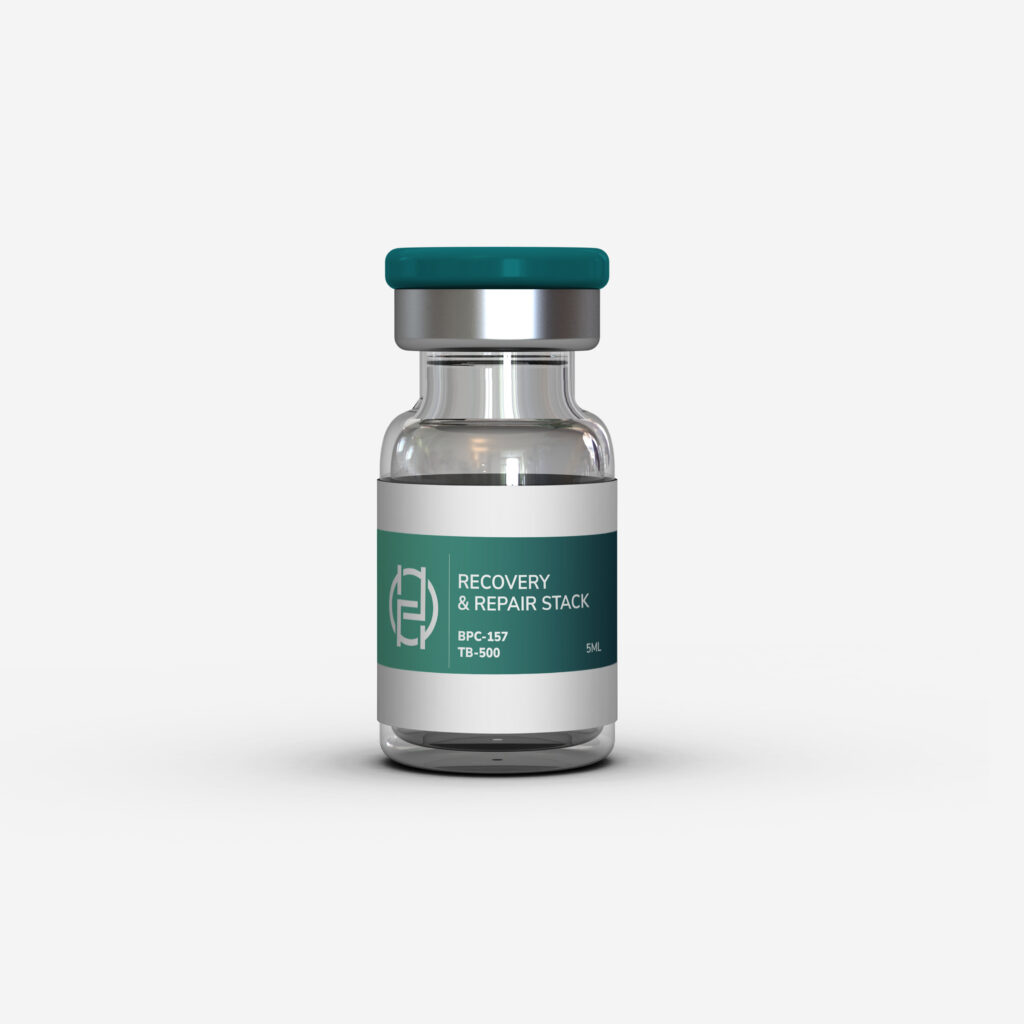
Unlike growth hormone peptides (which work through the pituitary) or GLP-1 peptides (which work through gut and brain receptors), BPC-157 works primarily through a different mechanism: it upregulates growth hormone receptors in tendon cells, stimulates angiogenesis (the formation of new blood vessels), and modulates nitric oxide signaling all of which contribute to accelerated tissue repair and reduced inflammation
A 2018 study reported that administering 5-Amino-1MQ to diet-induced obese mice, at the dose defined in the study protocol over an 11-day period, was associated with reduced body weight, decreased adipose mass, and lowered plasma cholesterol without reduced food intake, pointing to altered energy handling
One of the key players in eczema-prone skin is a yeast called Malassezia
In chronic alcohol models, BPC-157 attenuated withdrawal seizures over 24 hours following abrupt cessation
Key areas of research: NNMT Research Metabolic Research Body Composition Research Adipose Tissue Research Energy Expenditure Research Cellular Metabolism Research Glucose Regulation Research Obesity Research Methylation Pathway Research Cellular Energy Research References NNMT Regulates Cellular Metabolism: A Potential Therapeutic Target Discovery of 5-Amino-1MQ as a Potent NNMT Inhibitor The Role of NNMT in Obesity and Metabolic Regulation References are provided for research context only and do not constitute medical claims